
A simple 30-day creatine trial plan for women. Learn how to start creatine without bloating or a loading phase, and how to tell if it’s working for you.


This post may contain affiliate links. Full disclosure ↓
Last updated: July 23, 2026
If you’ve been curious about creatine but intimidated by loading phases, bloating rumors, or gym-bro advice, you’re not alone.
As a dietitian, I see a lot of women who want the strength and muscle benefits but aren’t sure how to start creatine safely — or how much they actually need.
This 30-day creatine trial is a gentle, step-by-step way to introduce creatine monohydrate, watch for real-life changes in your energy, strength, and recovery, and decide for yourself whether it deserves a permanent spot in your routine.
Before You Start: This Is a Low-Drama Creatine Trial
Creatine is not something you need to “feel” on day one. It works by gradually topping off your muscle creatine stores, which is why consistency matters more than timing, loading, or fancy supplement routines.
For most women, the goal of a 30-day creatine trial is simple: take 3–5 grams of creatine monohydrate consistently, watch for changes in strength, recovery, energy, and muscle “fullness,” and see whether it feels worth keeping in your routine.
New to creatine? Start with my picks guide: Best Creatine for Women Over 40.
What to Track During Your 30-Day Creatine Trial
| What to track | What to look for |
|---|---|
| Energy | Do stairs, walks, or workouts feel slightly easier? |
| Mental Clarity | Are you feeling quicker with thoughts? |
| Strength | Do reps, hills, chores, or daily lifting feel easier? Less sore? |
| Scale changes | A 1–2 pound bump can be water inside muscle, not fat gain |
| Digestion | Any bloating, cramps, or GI discomfort? |
| Consistency | Did you take it most days? |
Phase 1: Ease In (Days 1–3)
Dose: ½ scoop daily (about 1.5–2.5 g/day) Goal: Make sure it sits well.
How to take it:
- Mix into 8–12 oz water or a flavored drink
- Take it with food for easier digestion
What to expect: Nothing dramatic yet as this step is simply letting your gut get used to it.
Phase 2: Normal Dose (Days 4–7)
Dose: Full scoop daily (3–5 g/day) Goal: Reach a normal maintenance dose.
This is the same standard dose I recommend in my Creatine Over 40 If You Don’t Work Out post. No loading phase required.
Tips:
- Timing does not matter — take it whenever you remember
- What matters most is consistency
Typical early benefits:
- Better workout energy
- Less fatigue
- Possibly a small weight increase (this is water in muscle, not bloating)
Phase 3: The Real Test (Weeks 2–4)
Dose: Continue 3–5 g/day, every day Goal: See whether creatine actually makes a difference for you.
This is when most women notice:
- Stronger lifts
- Less muscle soreness
- Better stamina
- Faster recovery
- Subtle mood or mental clarity boosts
If you feel no change at all by Week 4, creatine may not be a big benefit for you — and that’s completely okay.
Optional: Extended Trial (Weeks 5–8)
Best for women who strength train 3–4+ days per week.
You may notice:
- Easier reps
- Stronger “push” in workouts
- Fuller, more supported muscle tone
- Better endurance during sets
What If You Feel Bloated?
First, don’t panic. Creatine can increase water stored inside the muscle cell, which is different from digestive bloating or water retention under the skin.
If your stomach feels off, try:
- Taking it with food
- Using a smaller dose for a few more days
- Mixing it into more fluid
- Switching brands if the product has sweeteners or extra ingredients
If discomfort continues, stop and reassess. Creatine is helpful, but it should not make you miserable.
How to Make the 30-Day Trial Actually Work
- Hydrate well (creatine pulls water into muscle cells)
- Choose creatine monohydrate — the most researched form
- Mix with a flavored drink if the plain or gritty texture bothers you
- Pair it with something you already do daily (coffee, vitamins, breakfast)
- Keep the container visible so you don’t forget
When to Stop Early
Take a break and reassess if you notice:
- GI discomfort that doesn’t improve by Week 2
- Persistent bloating that feels uncomfortable (rare)
- Too many missed days — creatine only works if taken consistently
What to Buy for a 30-Day Creatine Trial
A standard tub is plenty for a full trial:
- ½ scoop for 3 days
- 1 scoop for ~25–27 days
Total: about 28–30 days of creatine.
My Bottom Line
A 30-day creatine trial does not need to be complicated.
Skip the loading phase. Skip the timing rules. Start small if you’re nervous, move to 3–5 grams daily, and pay attention to real-life changes: recovery, energy, strength, soreness, and how consistent you can be.
If you feel better and it fits your routine, keep going. If you notice nothing after 4–8 weeks, you can stop. Creatine is useful, but it’s not a personality trait.
Keep Reading: Creatine Guides on RD Verify
- Bloom vs. Beam Creatine: A Dietitian’s Comparison — if you’re ready to buy and want a straight brand comparison.
- Creatine Over 40 If You Don’t Work Out: Is It Worth It? — for women who want the benefits but don’t do formal workouts.
- Create Creatine Gummies Review — if powder is the reason you never stay consistent.
- Shelf Builder Creatine Review — if you’re comparing women’s creatine blends.
RD PICK
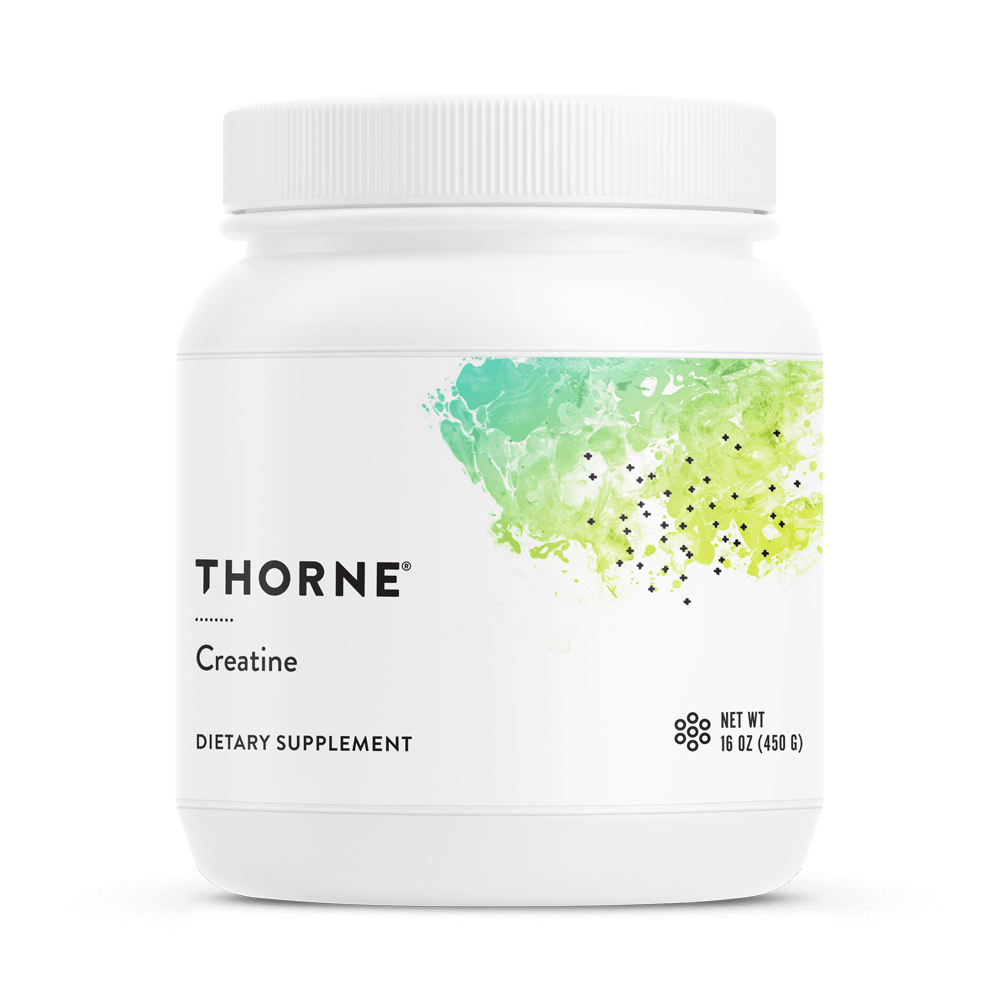
Thorne Creatine
A pure, NSF-certified creatine monohydrate from a brand I trust. My go-to pick for most clients — clean ingredients, no fillers, and excellent quality control.
NSF Certified
for Sport
for Sport
Pure
Monohydrate
Monohydrate
No Fillers
or Additives
or Additives
Affiliate & Medical Disclaimer
This post may contain affiliate links. As an Amazon Associate, I earn from qualifying purchases. I may also earn a small commission from other affiliate partners at no additional cost to you. I only recommend products I personally use, trust, or professionally evaluate as a Registered Dietitian.
All content on this website is for informational purposes only and is not intended to diagnose, treat, or replace personalized medical advice. Always consult your healthcare provider before making changes to your diet, supplements, or health routine.


